

If your home feels chilly in the winter — even with the heat on — drafts sneaking in under doors and windows could be to blame. These small air leaks can increase heating costs by up to 20%, making your home less comfortable and more expensive to heat.
A draft dodger, also called a draft stopper, is an easy, affordable way to block these drafts. If you spend just a few dollars on materials, you can improve your home’s energy efficiency and reduce cold spots near windows and doors. Plus, making one yourself allows you to match it to your home’s decor.
In this guide, we’ll walk you through choosing materials, sewing (or no-sew) methods, and best practices for using a draft dodger effectively.
What Is a Draft Dodger?
A draft dodger, also called a draft stopper or draft snake, is a simple tool that helps keep warm air inside and cold air out. It’s a long fabric tube filled with insulating material, placed at the base of a door or window to block drafts.
Draft dodgers can reduce energy costs and add a decorative touch. They come in different sizes to fit doors and windows, from narrow stoppers for small gaps to bulkier ones for larger openings. Whether homemade or store-bought, they are an easy way to improve comfort and energy efficiency.
Materials for a Draft Dodger
Before getting started, gather these materials to make a durable and effective draft dodger. Choosing the right materials is key to making a draft dodger that lasts. A strong, tightly woven fabric will prevent leaks, and a well-chosen filling will ensure effective insulation.
Essential Materials
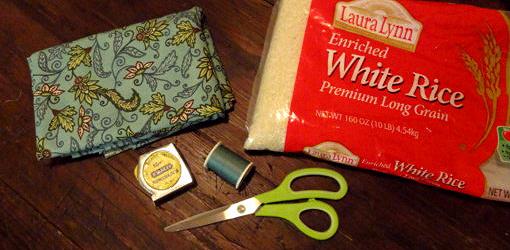
- Tape measure or ruler for accurate sizing
- Scissors for cutting fabric
- Fabric (cotton, denim, or any tightly woven material)
- Sewing machine and thread (or a needle for hand-sewing)
- 10 to 15 cups of filling material
Helpful Extras
- Funnel for easier filling
- Framing square for precise cuts
- Decorative elements like buttons or ribbons for a custom look
Choosing the Right Fabric and Filling
The fabric and filling you choose will determine how well your draft dodger works and how long it lasts.
Best Fabrics
Choose a tightly woven, durable fabric that can handle frequent use. A strong fabric prevents filling from leaking and keeps the draft dodger in place, especially in high-traffic areas like doorways. Consider cotton or canvas (they’re sturdy and easy to clean), upcycled materials like old jeans or thick curtains, or neutral/decorative fabrics that match your home’s decor.
Best Fillings
Rice or dried beans mold well to gaps, while buckwheat hulls are lightweight but effective. Kitty litter adds weight and absorbs moisture. However, eco-friendly DIYers might want to opt for shredded fabric or plastic bags to repurpose materials.
Avoid sand unless you’re using extra-durable fabric, as it can leak. Styrofoam pellets are lightweight but may not block drafts as well as heavier fillings.
Steps for Making a DIY Draft Dodger
Once you have all your materials, follow these steps to create your new draft dodger.
Step 1: Measure and Cut the Fabric
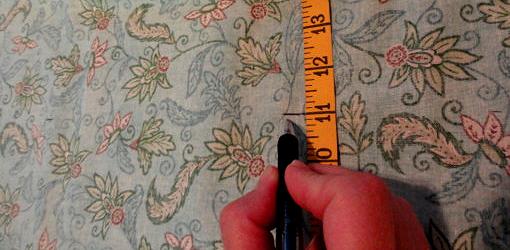
Measure the width of your door or window and add 4 inches for seams. Then, cut a fabric rectangle to this length. Use the chart below to determine fabric width based on your desired tube size:
| Fabric Width | Tube Diameter |
|---|---|
| 10 inches | 2⅞ inches |
| 12 inches | 3½ inches |
| 14 inches | 4⅛ inches |
| 16 inches | 4¾ inches |
Step 2: Fold and Sew
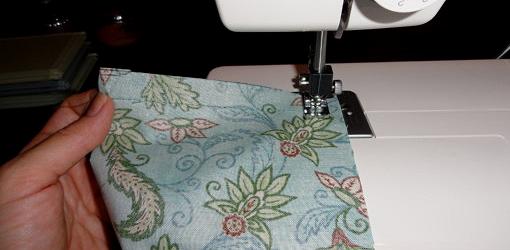
Lay the fabric inside out and fold it lengthwise. Sew along one short end and the long side, leaving a ½-inch seam allowance and one short end open.
Step 3: Turn the Tube and Fill
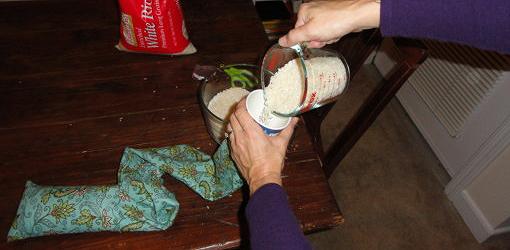
Flip the tube right side out so the seams are hidden. Use a funnel or scoop to pour in the filling, leaving about 8 inches of space at the open end for sewing.
Step 4: Sew the Open End Closed
Fold in the raw edges of the open end and sew it shut. If adding decorations, attach them before placing the draft dodger.
No-Sew Draft Dodger Options
For those who prefer a quicker solution or don’t have access to a sewing machine, there are several no-sew alternatives:
Repurposed Clothing Method
One popular approach is to use an old pair of tights, leggings, or knee socks. Simply cut off the leg portion to the desired length, fill it with your chosen material, and tie off both ends securely or sew them closed by hand. This method allows for creative reuse of old clothing, giving new life to items that might otherwise be discarded.
Fabric Tube Method
Creating a fabric tube begins with cutting a rectangle of fabric as described in the sewn method. Apply fabric glue along the long edges and one short end, then fold and press to create a tube, leaving one end open.
Once the glue is dry, turn the tube right side out and fill it with your chosen material. Finally, glue the remaining end closed. These no-sew methods are perfect for quick fixes or projects involving children.
Installing and Maintaining Your Draft Dodger
Once the draft dodger is complete, proper installation and maintenance are key to its effectiveness:
Installation
Proper placement of your draft dodger is crucial for optimal performance. Place it snugly against the bottom of the door or window to create an effective seal. For doors that open inward, position the draft dodger on the interior side.
When using it for windows, place it along the sill where drafts are felt. Proper placement ensures the draft dodger effectively blocks the cold air, maximizing energy efficiency and comfort.
Maintenance
Regular upkeep will help extend the life of your draft dodger. Check often for wear and tear, especially in high-traffic areas where it may see more use. Spot clean as needed or follow fabric care instructions for washing when more thorough cleaning is required.
If you notice the filling has become compacted or loses effectiveness over time, consider replacing it to maintain optimal performance.
Creative Ideas for Draft Dodgers
Draft dodgers can be more than just functional — they can also be a fun expression of personal style. Consider these creative ideas:
- Animal shapes: Create snakes, caterpillars, or dogs for a playful touch.
- Seasonal themes: Design draft dodgers to match holiday decor.
- Personalized gifts: Craft draft dodgers with recipients’ favorite colors or patterns.
- Upcycled materials: Use old sweaters or jeans for an eco-friendly option.
These creative twists can turn a simple household item into a decorative accent, adding personality and charm to any room.
Benefits of Using Draft Dodgers
Incorporating draft dodgers into a home offers several advantages. By preventing warm air from escaping, they help reduce heating costs and improve energy efficiency. Draft dodgers also get rid of cold spots near doors and windows, creating a more comfortable living environment.
An added benefit is their ability to minimize sound transmission through gaps, providing a quieter indoor space. These simple devices can also help prevent insects from entering through small openings, adding an extra layer of pest control.
As a bonus, draft dodgers can serve as a decorative element, adding a charming, personalized touch to living spaces. Using draft dodgers is a practical step towards a more energy-efficient and comfortable home environment.
Final Thoughts About Draft Dodgers
A draft dodger is one of the easiest ways to improve your home’s comfort and reduce heating costs. Whether you sew one from scratch or use a no-sew method, this simple DIY project can block drafts, lower energy bills, and add a decorative touch to your space.
With the right materials and design, a draft dodger can last for years, helping you stay warm and cozy through many winters. Plus, making your own lets you customize it to match your home’s style while keeping your space draft-free.





Comments are closed.